

Returning to the Breath
life's ins and outs

I read a beautifully written piece by Bess Kalb at The Grudge Report earlier this winter that powerfully illustrates the push and pull so many families’ feel as parents deal with everyday realities like kids outgrowing their snow boots and devices needing to be charged and discovering you are out of the chickpeas you had planned to use in tonight’s dinner, alongside the horrors of ICE raids with no due process and neighbors being gunned down in cold blood by federal agents. All of this during a literal ice storm. (I’ll post her essay below in case you’d like to read it.)

Many of us find ourselves alternating between our regular routines and responsibilities, including mundane activities like brushing our teeth and running errands, and truly disturbing realizations and events that are anything but ordinary and could have devastating effects on our own families, our neighbors, or both.
As I type these words, we’ve recently learned that the United States has launched a military strike on Iran, raising all kinds of serious questions and concerns that will not be resolved before the trash has to be taken out or the dishwasher needs to be unloaded. And my husband has been dealing with some concerning new medical symptoms.
There’s a famous Zen Kōan you probably know:
Before enlightenment, chop wood, carry water.
After enlightenment, chop wood, carry water.
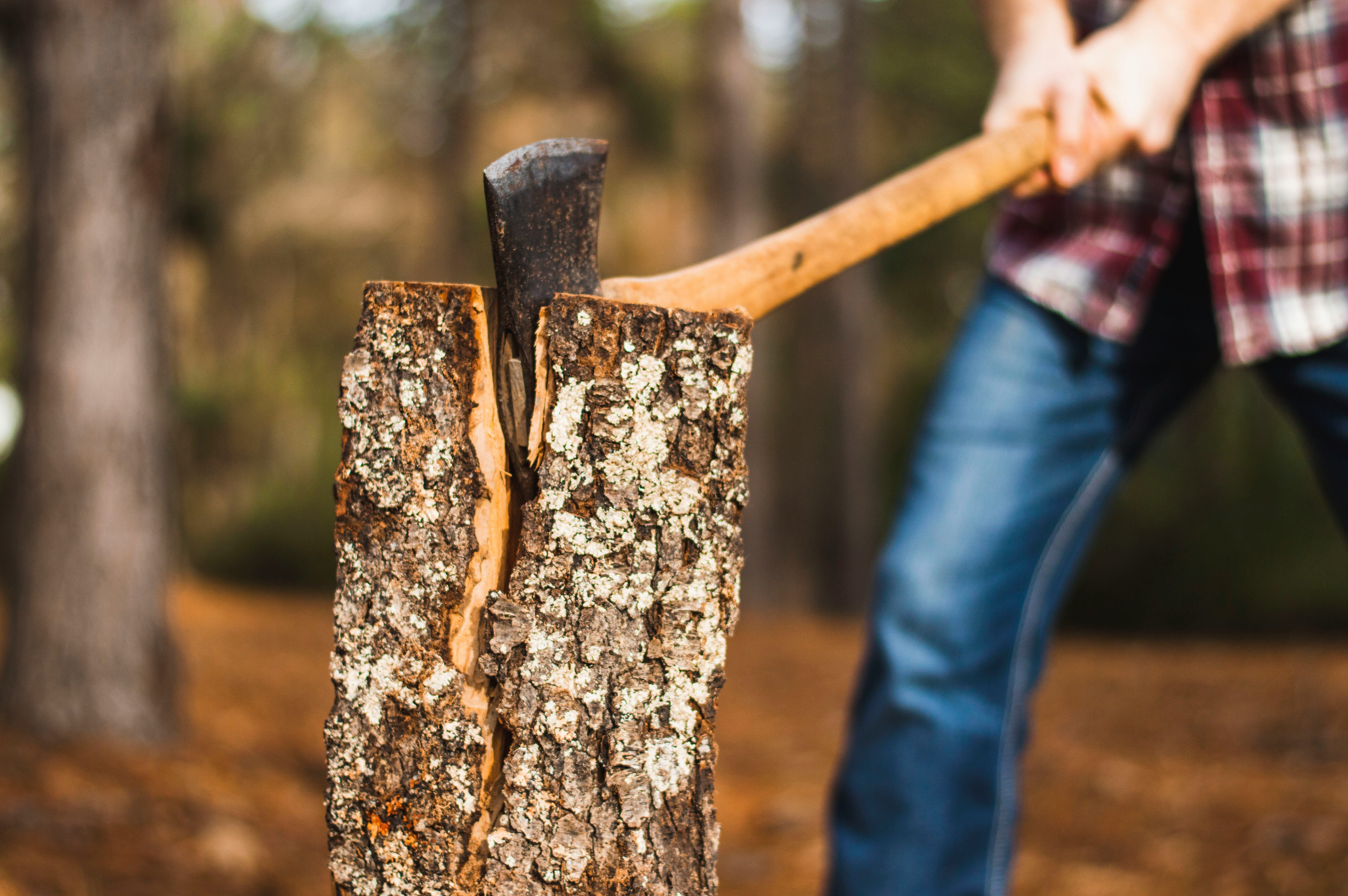
Horrific news is a long way from enlightenment, but the concept still holds. In extraordinary times and ordinary times—and everything in between—we still return to the basic things we need to do, as best we can under the circumstances. And what could be more basic than our breathing?
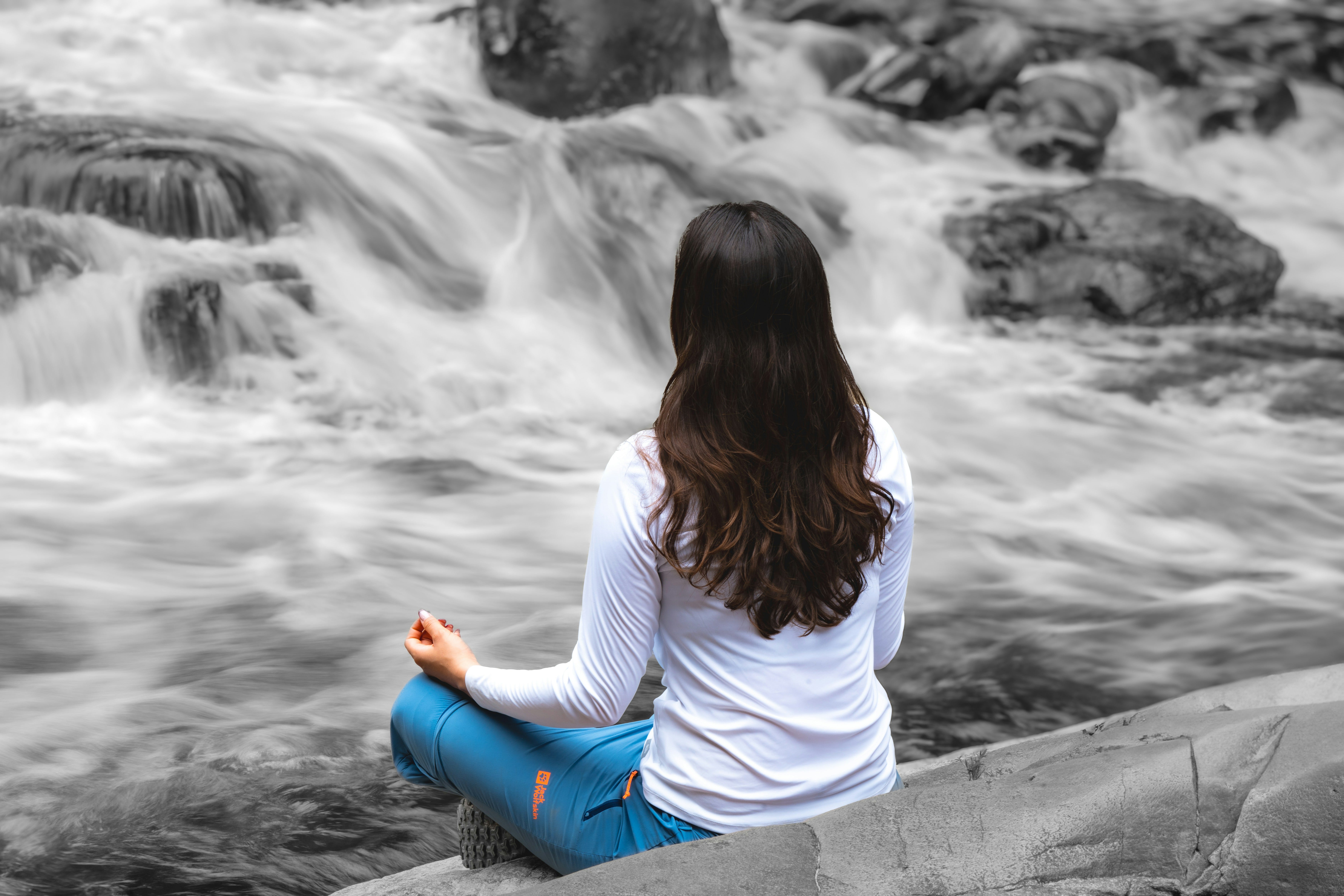
I remember as a child, my elders reminding me to take a deep breath when I was upset and reactive. It remains sound advice today. Slow, deep, and deliberate breathing is one of the simplest things we can do to help regulate our nervous systems when we start spinning out of control and begin to panic.
“Back to the breath” is an instruction you may be familiar with in other contexts. In many meditation practices, the focus is on paying attention to the sensation of breathing. As soon as we notice that the mind has wandered from that focus—as it inevitably will many times—we gently guide it back to the breath. And so the process repeats itself, over and over.
Significantly, the goal is not to control or empty the mind. We do not prevent the mind from wandering. The practice is in the noticing and the returning in an ongoing cycle. We simply return to the point of focus, however many times it takes, during whatever period of time we have set aside for meditating, whether that’s two minutes or two hours.
Although I’m no expert, I have found meditation to be a valuable practice over the years, despite enough inconsistency on my part to be considered evidence to the contrary. Ideally, we don’t impose overly specific expectations on our meditation practice up front. We just commit to giving it a try and, over time, to noticing whatever happens, however subtle. I find that I tend to become more observant, less reactive, and better able to cope with life’s challenges when I’m meditating regularly.
Like a lot of healthy practices, such as regular exercise, nourishing food, getting enough sleep, and journaling, I’m better about making a priority of them when I’ve recently experienced some kind of mini-crisis like a health scare, job change, or relationship issue. Sadly, once those practices help me get back on track, I’m more likely to neglect them again.

Intermittent inconsistency is not a pattern I recommend, but it’s a familiar one. These days, when current events seem to keep all of us in a state of hyper-vigilance, I have to remind myself not to neglect the relatively simple practices that not only help me cope with life’s difficulties but also allow me to experience life’s joys more fully.
Practices like meditation are sometimes derided as self-absorbed “naval-gazing” by those who haven’t sincerely tried them. It’s not hard to understand how an observer could jump to such a conclusion, since the posture of some meditators appears to fit the naval-gazing part of that description. Contrary to those assumptions, however, over time meditation actually encourages present-moment awareness (rather than obsessing about the past or future) and tends to sharpen our powers of observation, giving us more clarity with which to greet the day, make decisions, and engage in whatever our work in the world may be at the moment.
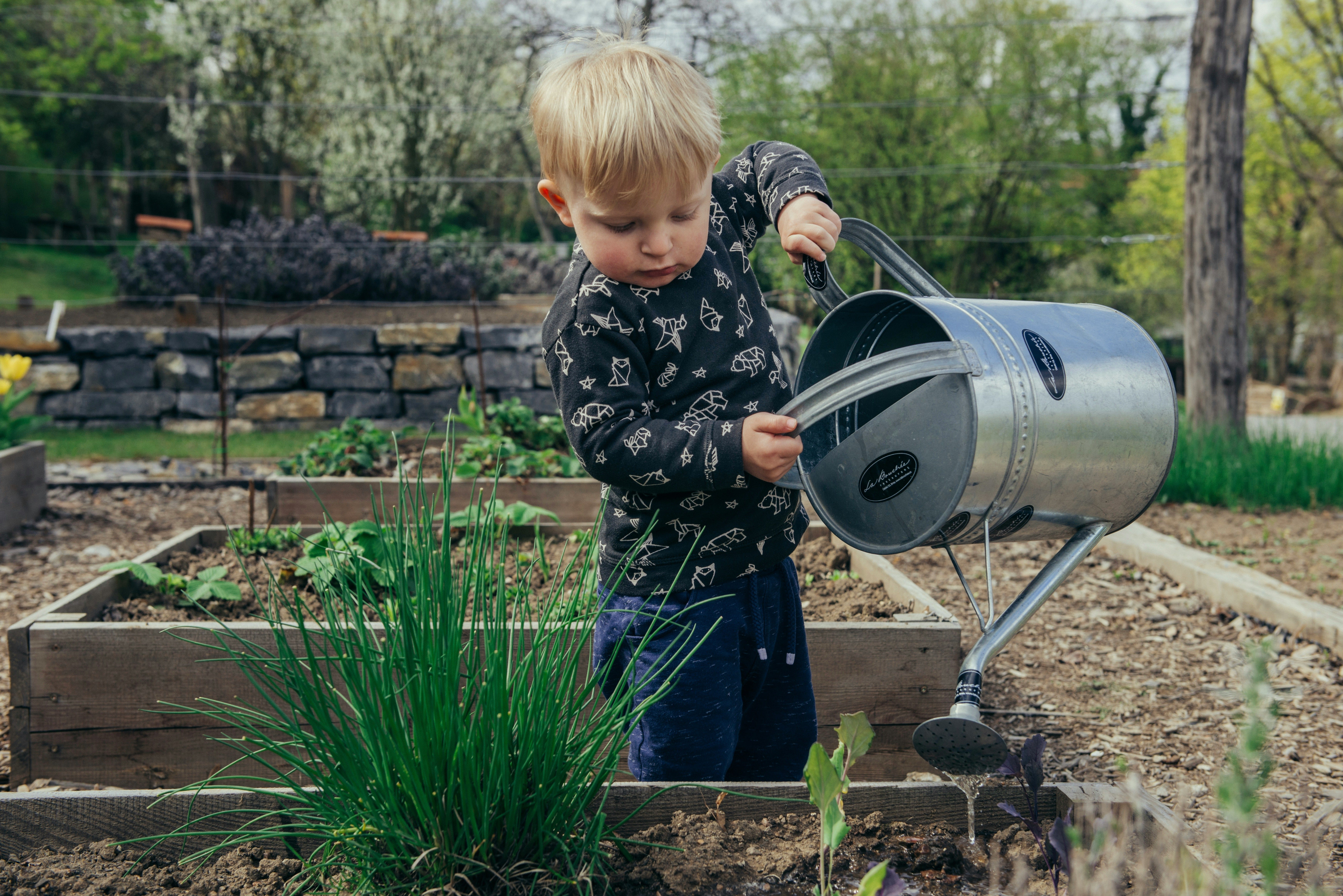
Of course, classic cross-legged meditation is far from our only option. There are many practices we can employ in a meditative way. I know people with ZERO interest in meditating who love to run every morning. My grandmother’s meditation was crocheting every evening, although she would never have used that term. Maybe painting, gardening, journaling, taking photographs, playing the piano, walking in nature, or singing Taizé chants is your meditation.
If we are lucky enough to live a full life, it will include both challenges and rewards, ups and downs. The most overwhelming stuff tends to make itself known in ways that cannot be ignored, often without warning and almost always without our permission. We can’t usually stop it—at least not immediately and not by ourselves. When it takes the spotlight, it’s up to us to guide our attention to what matters most. Maybe that’s beauty. Maybe that’s love. Maybe that’s gratitude. Maybe that’s our faith. Maybe it’s healing. Maybe it’s helping others. Maybe it’s resisting evil. Maybe it’s all of that and more.
It’s helpful if you’ve already had some practice paying attention under challenging circumstances and have learned some ways to regulate your nervous system when needed, but it’s never too late to learn. It may take a little trial and error as you figure out what works best for you, but mostly it takes practice.
At root, the process is fairly simple (but not always easy):
Pay attention, make adjustments, carry on. Repeat.
Goodness still exists, but we need to be alert for it because it’s not always as loud as the evil shouting in our faces or the constant drone of bad news on our televisions. With practice, we can balance some of the depleting aspects of life with restorative ones, grounding and preparing us to do whatever work we are called to—including the hard stuff.
We work, and we play.
We laugh, and we cry.
We awaken, and we return to sleep.
We exert ourselves, and we pause to recover.
These cycles are not always neat and tidy. The two sides of each coin rarely get equal time. Often, they are beyond our control. They are also different at various points in our lives. Nonetheless, there are choices available to us all along the way.
Staying engaged and employing appropriate levels of self-care helps us make those choices wisely. We must not fall into the trap of imagining that ignoring evil or bad news will protect us from it, but neither will disregarding beauty or walling ourselves off from joy.
Whatever happens, we return to the breath.

Some parting food for thought…
What do you consider to be your work in the world right now?
How do you prepare yourself to sustain that work?
Are there particular practices that help you establish a rhythm in your life that works for you?
How have those rhythms changed over the years?
Breathing…….
Breathe in, breathe out.
We do it every minute.
Just focus on it for a few minutes every day.