

Who are we now?
more questions than answers

It felt like an “ah-ha” moment for me. I had just posted my January roundup and was reading an article I’d saved by Diana at Healthy Seniors about the seemingly mundane topic of decluttering. She was writing about the experience of her parents while struggling to downsize:
Every drawer asked the same painful question: “Are you still this person?”
The craft supplies for hobbies they’d stopped doing. Clothes from when their bodies were different. Tools from when they could fix anything.
Sometimes the answer was no. And that hurt.
But on the other side of that grief was relief. When they stopped trying to be the person who used those things, they made space for who they actually are now.

Elsewhere in the article, Diana notes that many books and articles about organizing are geared toward people in a different stage of life than her parents, so while the advice they offer might be helpful to some, it completely misses the mark for others.
I had just been talking with my husband about a similar observation regarding books on a host of other topics—productivity and exercise, among them. All that “Keep reaching higher!” advice lands differently while you are actively climbing the corporate ladder or growing your young family than it does after you realize you almost certainly have more birthdays behind you than ahead, and the sky may not be the limit after all.
Bill and I had been watching travel videos and reflecting on how our priorities and interests when planning our 30th anniversary cruise were somewhat different than 25+ years ago when we decided to try cruising for the first time. Not only were our lives quite different early in our marriage, our expectations about the future seemed wide open—not only for us personally, but for our community, our country, and indeed the world. Things were far from perfect, but overall, the trajectory felt positive, encouraging, and unabashedly hopeful to us.
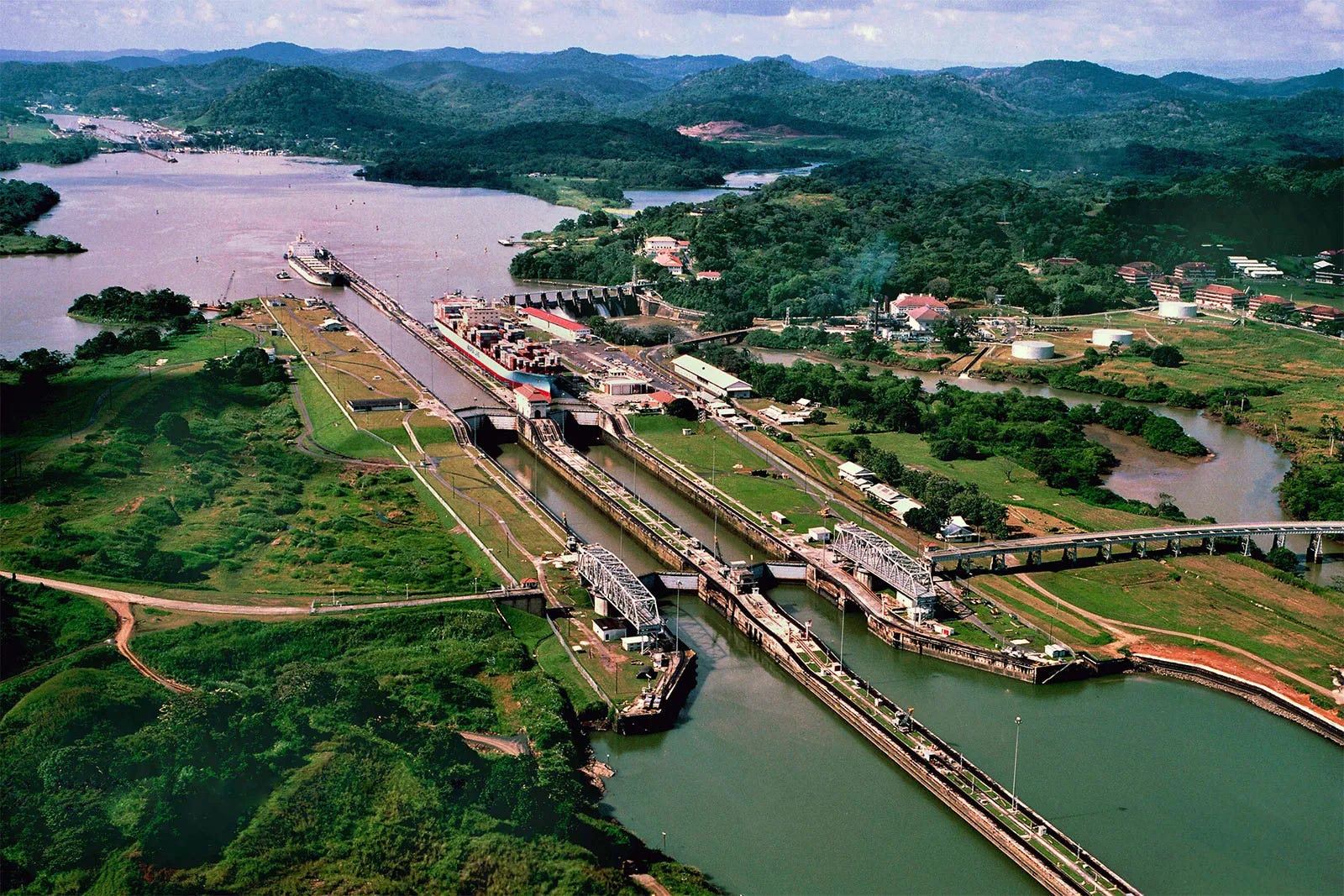
I look back on how naive I was in those early days with some embarrassment, because it’s now much clearer to me that not everyone around me was feeling so optimistic even before, say, 9-11, the subprime mortgage crisis, or the COVID pandemic. Yes, palpable progress was being made on several fronts, but it was more fragile and limited than many of us wanted to believe, often the result of the country slowly taking two steps forward and one step back, time and time again.
There is also a selective amnesia that seems to be part of human nature, perhaps empowering us to continue to move forward even in hard times. When we lose someone or something we treasure, we recall the things we loved about them far more vividly than any frustrations or reservations we might have had.
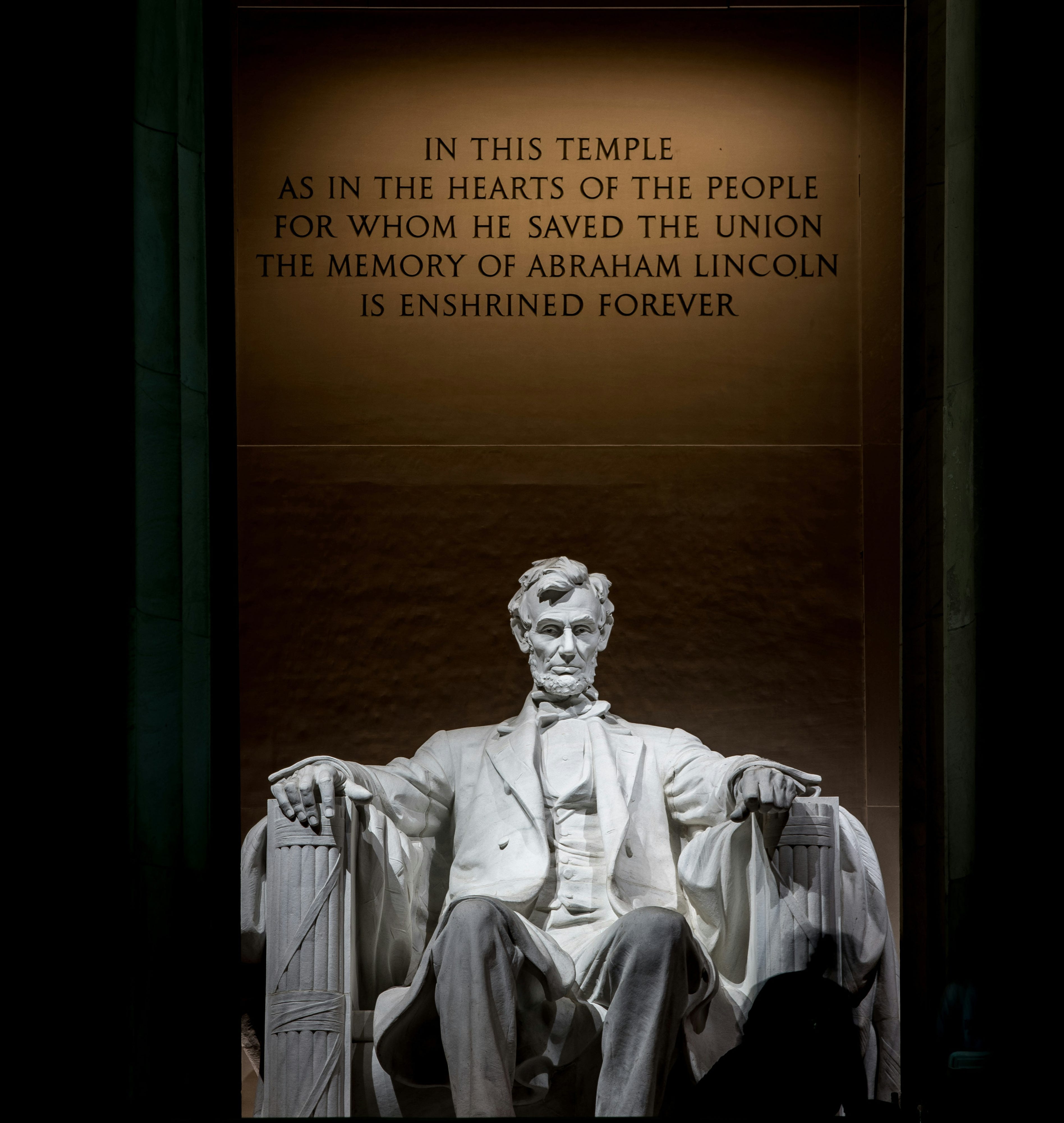
Once we make it through something particularly difficult, we may convince ourselves that surely it wasn’t quite as unbearable as it seemed in the moment. After all, we lived to tell the story.
This phenomenon encourages soldiers to return for another tour of duty, and allows women to voluntarily give birth to second (and subsequent) children, despite the pain involved. (Of course, anesthesia may be a factor, as well.) It also enables a democratic electorate to re-elect a president it only narrowly survived the first time, because back then, there were still enough checks and balances in place to at least sustain our republic.
I do believe there is value in pausing to seriously interrogate our own memories or reflexive claims about our past, both at the personal level and more broadly in how history is taught. We’d all love to be remembered as heroes with only the noblest of ancestors—or at least as one of “the good ones,” but it’s rarely that simple. Even good people make mistakes. We should be learning from those mistakes, not covering them up.
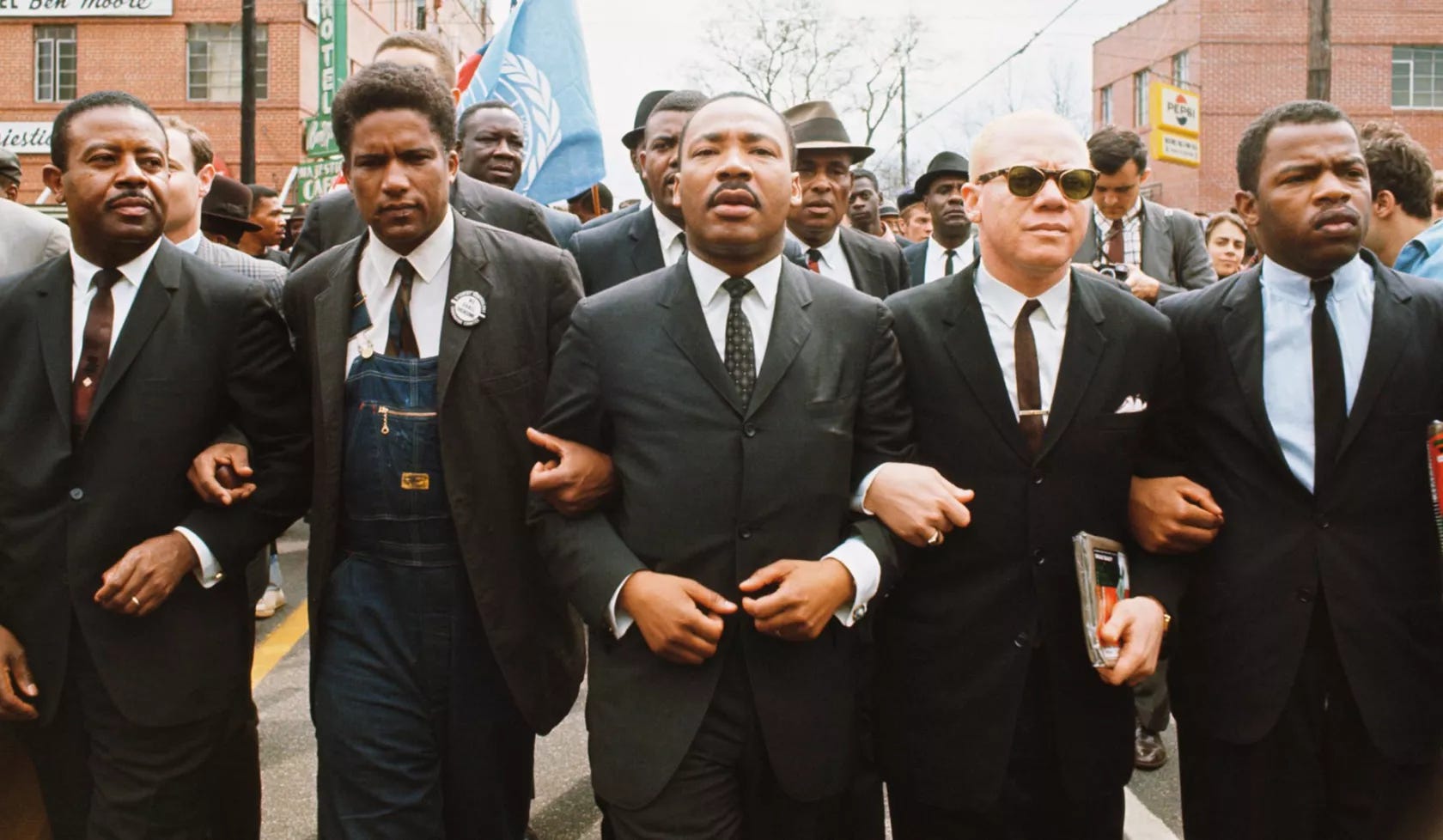
It’s not hard to understand how the claim, “This is NOT who we are!” sometimes rankles, because there is so much undeniable evidence to the contrary. Semantics plays a role here. Precisely who is meant by “we” in this declaration? And what point are we really trying to make? Perhaps that at our best—ideally, at our core—we know better than too many of our actions demonstrate. What’s happening is not reflective of who we, as a people, are meant to be. The original statement is aspirational.
I suspect that quite often, it means something more like, This is not who so many of us have been striving to be: admittedly flawed, but well-intentioned and genuinely trying to do better. Yet we are guarded in how much we are willing to sacrifice for that improvement.
For those who have already seen versions of this play too many times, hearing “This is not who we are!” feels like being expected, yet again, to deny reality and accept that the unmitigated evil we clearly and repeatedly see with our own eyes and in our own communities isn’t there. Too often, the statement comes across as reflexive defensiveness rather than a persuasive argument.
In any case, it leaves an important question dangling in the air:
Who are we now?
An honest answer will involve some assessment and discernment rather than posturing and knee-jerk defensiveness. It may initially be easier to point out who we are not than who we are, but the question is worth exploring more deeply at both micro and macro levels.
Micro: Who am I, as a person? (… as a citizen? …parent? …team member? )
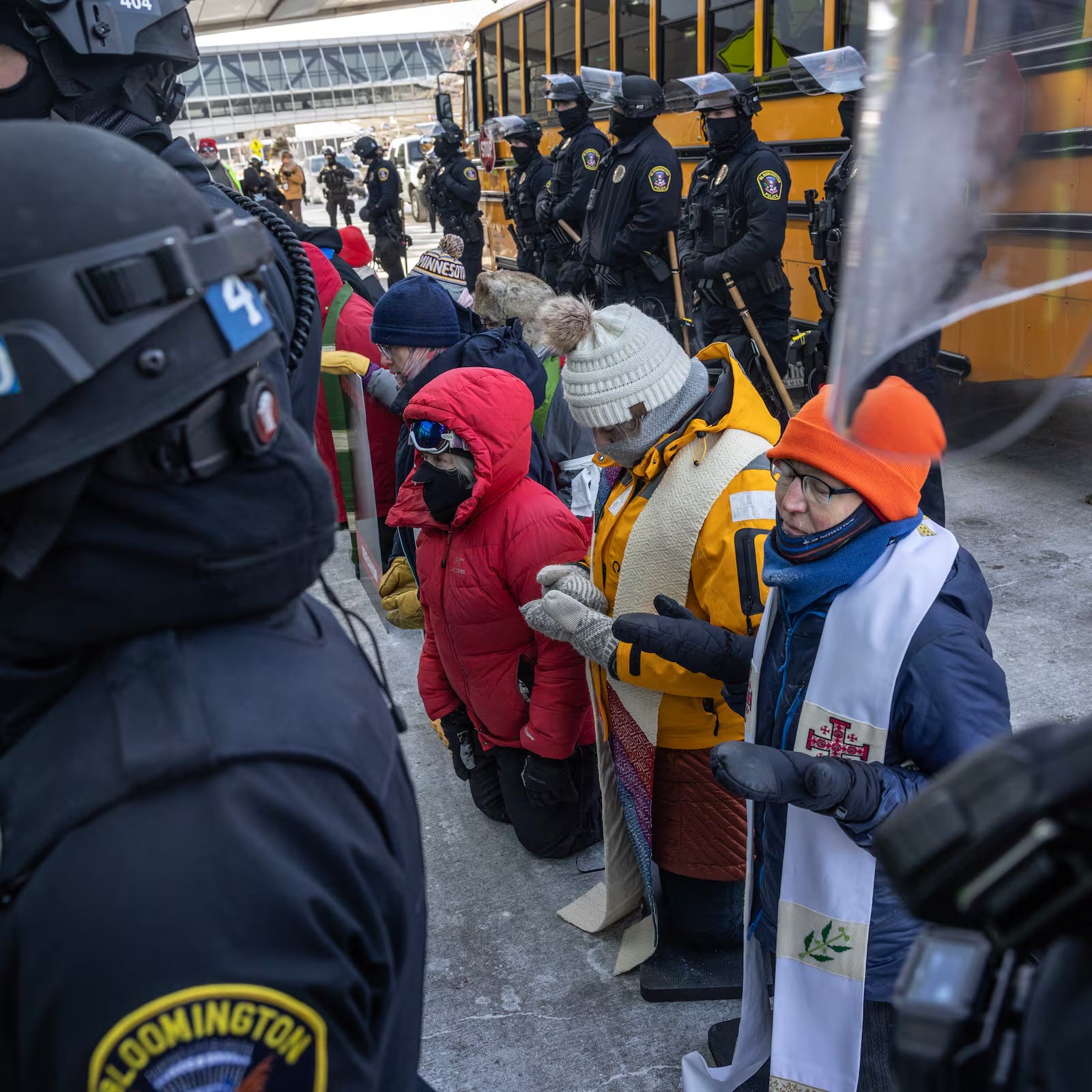
Macro: Who are we, as a country? (…as Minnesotans? …Christians? …allies? …humans?)
Arguably, these next questions are at least as important:
Who do we want to become?
What steps can we take toward that becoming?
Who might join us in this quest?
Taking such questions seriously doesn’t mean we’ll suddenly solve all the world’s problems or even our own, but it puts us in a better position to do our part. Moving beyond general answers like, “I want to be a good person” or “to always act with integrity,” to consider what being a good person and acting with integrity looks like for us personally at this point allows us to become appropriately engaged members of society, determined to leave the world at least a little better than we found it.
People are capable of growth and evolution. You are not the same person you were at age 4. You aren’t even the same person you were last year, so it’s worth thinking now about who you want to be in the year ahead and developing habits that consistently support those convictions.
We aren’t limited to being who we’ve always been, but knowing where we’ve been is not only useful in gauging our growth; it also helps us identify where and how we can make amends, both personally and collectively. Without tending to the wounds we’ve contributed to—including sins of omission—it may be difficult or impossible to become the people we want to be.
From the micro to the macro level, when we lose track of core values and principles and willfully turn away from what needs our attention, we not only lose our way; we also become complicit in the unnecessary suffering of others.
This process requires self-awareness and a willingness to question our present and previous assumptions. Even if you had your finger on the pulse of things 20 years ago, have you updated your thinking or approach since?
Circling back to where we started with the decluttering project and finding things in every nook and cranny that remind us we are no longer who we used to be, it’s not all bad. Being honest with ourselves and others allows us to craft the sort of future we want to be part of, both individually and collectively. We can make far more conscious choices about how we use our space, our time, and our lives. When we come together to act in congruence with our values, we make the world a better place not only for ourselves but for our neighbors and grandchildren.
As Annie Dillard said, “How we spend our days is, of course, how we spend our lives.” Many of us are so busy that we rarely stop long enough to consider whether the routines we have established and the things on our long To Do lists are in harmony with the person we want to be.
I’d love to hear your thoughts. Have you ever had the experience of suddenly realizing that the things you are doing, the life you are living, or the space you live in no longer aligns with the person you have become? This often happens after major transitions, such as when kids go off to college, we receive a serious diagnosis, job loss, or the loss of a loved one due to death or divorce. What helped you work through it?
What about the things going on in the world around us today? What troubles you? What encourages you? In particular, I’m curious about the changes we’ve seen in the United States over the past year or so. If you are from the US, do you feel the direction our federal government is moving is congruent with who we are as Americans?
How might we create space and opportunity for who we want to be?
Have recent events affected the way you choose to be in the world?
I’ve asked a lot of questions today. As always, please feel free to pick and choose the ones that resonate with you. Your thoughtful responses are welcome and appreciated in the comments.
I have so many mixed feelings about what is "becoming" in the world. Both here and abroad, the tide is turning against "the stranger" and toward more nationalism. While there is a part of me that understands that, and is even accepting of it, I had hoped to become more welcoming as I get older, not less so. I'm trying to be more personally welcoming even as the culture around me tries to pull us all in the opposite direction. Just a few thoughts.
Love this article. It really resonated with me. I’m actually working on a piece about values—how to understand your own, where they come from (often family or close relationships), and how to notice when they naturally shift as you grow and gain life experience.